EN
EN  RU
RU 
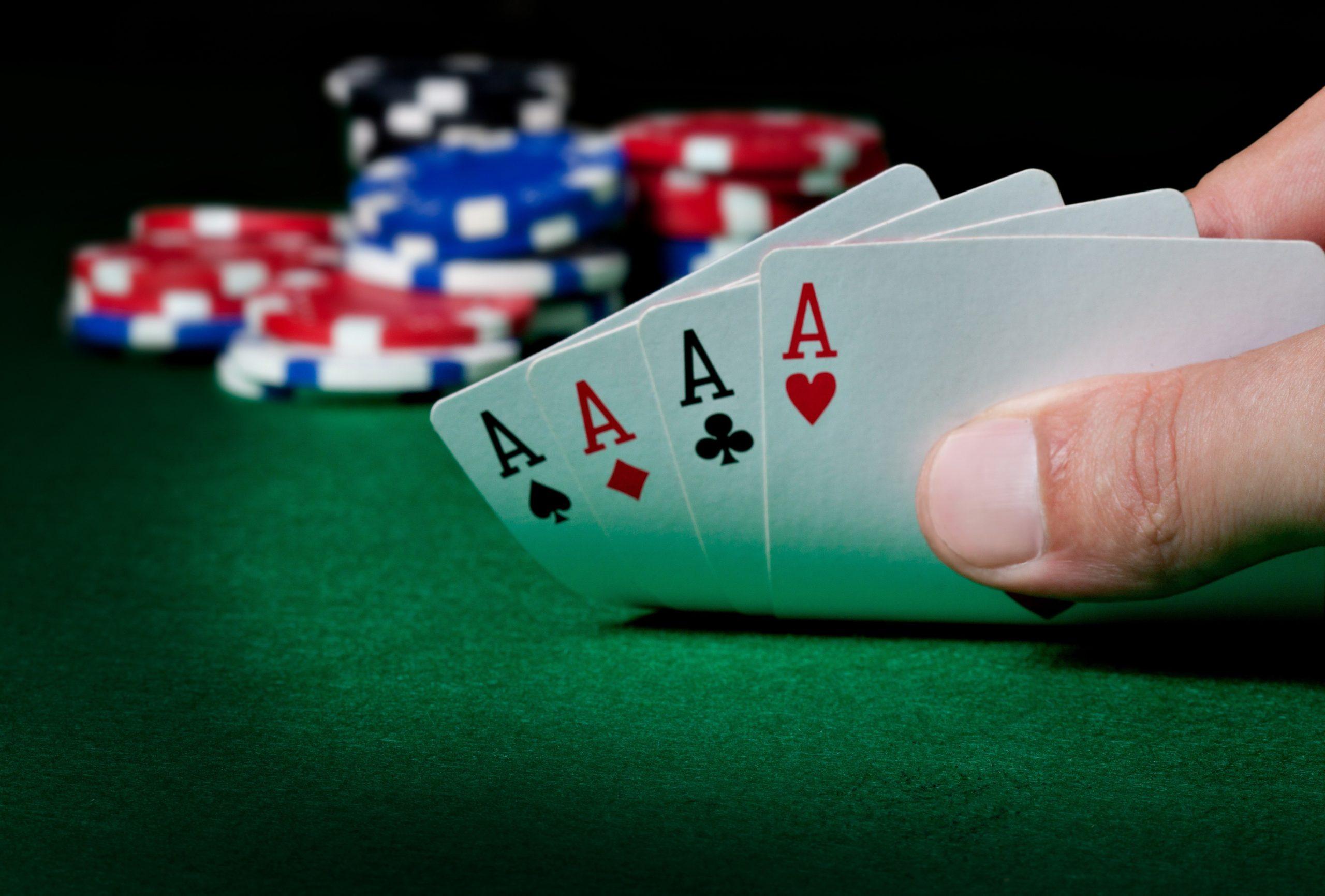
Many people consider poker to be a simple game of chance, where everything is decided by chance. However, this is a common misconception. Unlike most casino games, poker combines math, psychology, and strategy.
The player makes decisions based on probabilities, opponent behavior, and risk management. The ability to read opponents, control emotions, and choose the right moment for aggression is often more important than the cards themselves.
That is why poker is often compared to chess: anyone can get lucky at a short distance, but on the long side, those who think better win. Professional players spend years honing their analysis, discipline, and composure skills.